
Google AdSense approval for a niche tech blog in 2026 still rewards depth over volume — but “niche” is not an excuse for thin pages, missing policy links, or a site that looks like an AI content farm. Solo builders monetizing vibe-coding tutorials face a specific trap: traffic from Twitter does not substitute for crawlable structure, original expertise, and the About/Contact/Privacy pages reviewers expect. This guide walks through what actually gets niche tech blogs approved, what triggers rejection, and how to fix your site before you click Apply. Updated November 2026.
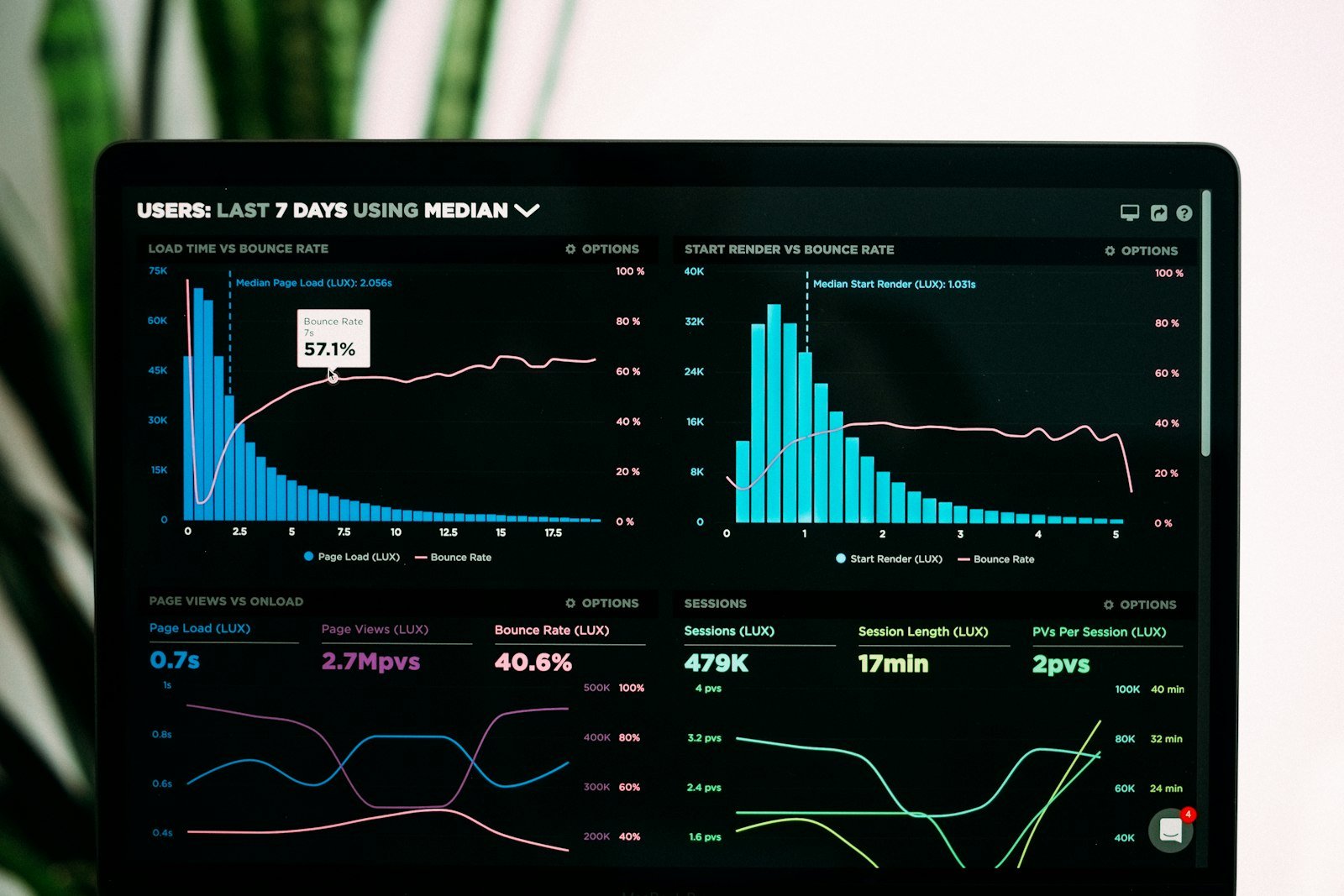
Before you optimize for ads, make sure Google can see your site at all. Read SEO for a vibe-coded app (principles apply to blogs) and set up Analytics and Search Console so you know which posts earn impressions versus which ones never indexed.
Table of contents
- What AdSense approval looks like in 2026
- Why niche tech can help — and hurt
- Policy and content checklist
- Thin content risks for AI-assisted blogs
- Site structure reviewers scan in minutes
- Application workflow
- After rejection: fix order
- FAQ
What AdSense approval looks like in 2026
AdSense approval is a manual and automated review of site quality, policy compliance, and content originality. Google does not publish a post-count threshold. Low-traffic sites get approved daily; high-traffic sites get rejected for missing Privacy policies. For niche tech blogs, reviewers ask: Is this a real publication with expertise, or a template site built to arbitrage clicks?
Expect the process to take days to two weeks. You need a verified site, sufficient content on the domain you apply with, and no policy red flags. Subdomains and fresh domains work if content depth is obvious.
| Factor | What reviewers want | Common vibe-coder miss |
|---|---|---|
| Originality | First-hand tutorials, opinions, workflows | Generic AI listicles with no repo links |
| Navigation | Clear menus, no dead ends | Single-page app blog with no pages |
| Policy pages | About, Contact, Privacy | Footer missing on mobile |
| UX | Readable, not ad-stuffed pre-approval | Placeholder lorem or broken layouts |
| Traffic | Helpful but not mandatory at apply | Applying on day one with 3 posts |
Why niche tech can help — and hurt
Niche focus — vibe coding, Supabase tutorials, AI IDE comparisons — signals expertise when posts go deep. A blog with 25 strong tutorials on one topic beats 100 shallow “top 10 tools” posts. The hurt case: ultra-narrow sites with three rewritten ChatGPT articles and no author identity. Google classifies that as low value regardless of keyword specificity.
Position your niche explicitly on the homepage and About page: who you write for (solo builders, indie hackers), what problems you solve (deploy, auth, billing), and why your experience is credible (projects shipped, stack you use daily). Anonymous blogs can approve, but named expertise converts better with human reviewers.
Policy and content checklist
Complete this before Apply. Treat unchecked items as likely rejection causes.
Essential pages
- About — Who runs the site, background, why the niche, editorial standards. Not a one-liner.
- Contact — Working form or visible email; respond within a few days if tested.
- Privacy Policy — Cookies, analytics, AdSense data use, third parties (GA4, email provider). Link in footer site-wide.
- Terms of Use (recommended) — Especially if you publish code snippets, affiliate links, or user comments.
Content quality gates
- Minimum 15–20 substantive posts for a new domain (quality beats number, but single-digit catalogs struggle)
- Each post solves a specific problem with steps, screenshots, or code — not summary-only SEO bait
- No prohibited content: piracy, hate, dangerous instructions, misleading health/finance claims
- No copyright violations — stock images licensed, no scraped competitor text
- Clear distinction between editorial content and sponsored posts if you run affiliates
Technical and UX gates
- Custom domain with HTTPS; no broken mixed content
- Mobile-responsive theme; readable font size and contrast
- Working internal links; fix 404s in Search Console
- No intrusive popups covering content on first visit
- Site loads without login wall for public articles
- Robots.txt and sitemap submitted; key pages indexed

Thin content risks for AI-assisted blogs
Vibe-coded blogs fail AdSense when AI output ships without human layering. Thin content signals:
- Posts under 800 words that restate documentation without examples
- Duplicate structure: every post opens with the same generic intro paragraph
- No author perspective — reads like encyclopedia stubs
- Keyword stuffing in headings without matching depth
- Auto-generated category pages with one sentence
- Broken code blocks or hallucinated CLI commands (credibility hit)
Fix pattern: one real project per week, documented with decisions and failures. Interlink posts into clusters (auth series, deploy series) like the vibe coding roadmap model. Add update dates when you revise for 2026 stack changes — freshness helps both SEO and reviewer trust.
If you use AI to draft, enforce an editing pass: personal anecdote, verified commands, unique screenshots, and a “what I would do differently” section. That layer is what separates niche tech blogs from content farms.
Site structure reviewers scan in minutes
Within five minutes a reviewer should answer: What is this site? Who wrote it? How do I contact them? Is content organized?
| Element | Good signal | Bad signal |
|---|---|---|
| Homepage | Recent posts, clear tagline, nav to About | Wall of ads or empty hero |
| Main menu | Categories, Start Here page | Only Home and Blog |
| Sidebar/footer | Popular posts, policies | Broken widgets, HTML comments visible |
| Post layout | Headings, lists, images with alt text | Wall of text, no structure |
| Comments | Moderated, on-topic | Spam or toxic threads unchecked |
For WordPress blogs, use a clean theme — block themes or lightweight classics. Avoid stacking ad plugins before approval. For vibe-coded Next.js blogs, ensure SSR or SSG so article text appears in view-source; client-only content hurts both AdSense and Search Console.
Application workflow
- Run the full policy checklist above on production URL
- Create AdSense account with Google identity matching site ownership
- Add site in AdSense → Sites → add your domain
- Insert verification code or DNS TXT as instructed
- Enable Auto ads only after approval (or place units manually post-approval)
- Wait for review email; do not panic-edit layout daily during review
Apply with your canonical domain — www vs non-www must redirect consistently. If you run a separate app subdomain for tools, keep the blog on the primary domain you apply with, or apply separately once each property meets quality bars.
Content pillars that approve niche tech blogs
AdSense wants sites that behave like publications, not landing pages with blog garnish. For vibe-coding niches, three pillar types consistently pass review when executed with depth:
- Tutorial pillars — Deploy, auth, billing, storage: step-by-step with verified commands and failure notes
- Comparison pillars — Tool and stack decisions with honest tradeoffs, tables, and “who should pick” sections
- Workflow pillars — How you prompt, review, test, and ship; process content only you can write from experience
Build hub pages linking each pillar (“Start here: Supabase series”, “IDE comparisons 2026”). Internal linking shows reviewers a coherent site graph, not orphan posts. Cross-link to your own cornerstone content the way tool reviews anchor broader tutorial clusters.
E-E-A-T signals for solo technical authors
Experience, Expertise, Authoritativeness, Trustworthiness — Google’s quality rubric applies to AdSense sites even when the acronym is SEO jargon. For niche tech:
- Experience — Screenshots from real projects, commit hashes, “I tried this on Next 15 App Router” specifics
- Expertise — Correct code, updated stack versions, corrections when tools change
- Authoritativeness — Outbound links to official docs; inbound links from communities over time
- Trustworthiness — Policy pages, HTTPS, no deceptive buttons, affiliate disclosures where required
Add an author byline box on posts: name, role, link to About, date updated. Refresh top traffic posts quarterly — stale 2024 stack advice hurts both E-E-A-T and reviewer confidence in 2026.
WordPress-specific AdSense prep
Most niche tech blogs still run WordPress — including publisher sites like Vibe Coding Engineer. WordPress-specific checks beyond generic policy lists:
- Disable “Discourage search engines” in Settings → Reading before apply
- Use a child theme or block theme so plugin updates do not strip footer policy links
- Cache plugins: exclude logged-in admin and AdSense bot user-agents from aggressive page cache misconfiguration
- Remove default “Hello world” and sample page before review — obvious fresh-install signals
- Categories with descriptions; avoid empty tag archive pages indexed as thin content
- Consent banner plugin configured for GDPR regions before enabling personalized ads post-approval
Block editor posts should use proper heading hierarchy (one h1 per page, logical h2/h3). AI-exported HTML pasted into Classic Editor often breaks mobile readability — fix before apply.
After rejection: fix order
Rejection emails are often generic (“Low value content”, “Site not ready”). Fix in this order:
- Add or expand About, Contact, Privacy — footer visible on mobile
- Remove or rewrite thinnest 5 posts; merge duplicates
- Fix indexing: Search Console coverage errors, sitemap, canonical tags
- Improve navigation: Start Here hub linking best tutorials
- Publish 5–10 new deep posts before reapplying — not 5 more thin ones
- Reapply after 2–4 weeks of consistent quality, not 48 hours
Do not buy traffic or use click exchanges — that triggers permanent policy issues. Organic Search Console growth from tutorial depth is the sustainable path for niche tech.
When to apply vs when to keep building
AdSense is not your only monetization path — affiliate links, sponsored tutorials, and selling your own SaaS often beat display ads on niche tech traffic. Still, AdSense approval signals baseline site quality that helps every monetization channel. Apply when policy checklist is green and you have a publishing rhythm (1–2 posts weekly for eight weeks), not when you need rent tomorrow — desperation leads to thin “approval bait” posts reviewers recognize.
After approval, place ads below the fold on long tutorials — not above code blocks where they break copy-paste UX. Monitor Core Web Vitals; ad scripts that tank LCP hurt SEO that feeds AdSense long term. Balance revenue per page with reader trust that keeps return visits high on technical content.
FAQ
How many pageviews do I need before applying?
There is no official minimum. Many approved sites had under 1,000 monthly pageviews but 20+ solid articles and complete policy pages. Traffic helps indirectly by proving engagement; it is not a gating metric you can read in a dashboard.
Can I get approved on a subdomain like blog.myapp.com?
Yes, if the subdomain is the primary content property with full policy pages and depth. A bare subdomain with three posts attached to a SaaS landing page is harder than a dedicated blog domain with clear editorial identity.
Does AI-written content automatically fail?
Google policies target low quality and scaled abuse, not tools. AI-assisted posts that are edited, accurate, and original pass. Unedited mass-generated posts fail. Your niche tech blog should sound like a practitioner, not a paraphrase engine.
Should I add AdSense code before approval?
Follow Google’s current setup flow — verification snippets yes, aggressive ad placement before approval no. Cluttered layouts pre-review suggest the site exists for ads, not users.
Soft CTA: Audit your footer on your phone tonight: About, Contact, Privacy — all one tap away? Pick your thinnest post and rewrite it with one real code snippet you ran this week. When the checklist is green, apply once and keep publishing while you wait. Stack growth posts from the vibe coding roadmap so your niche stays deep, not wide and empty.